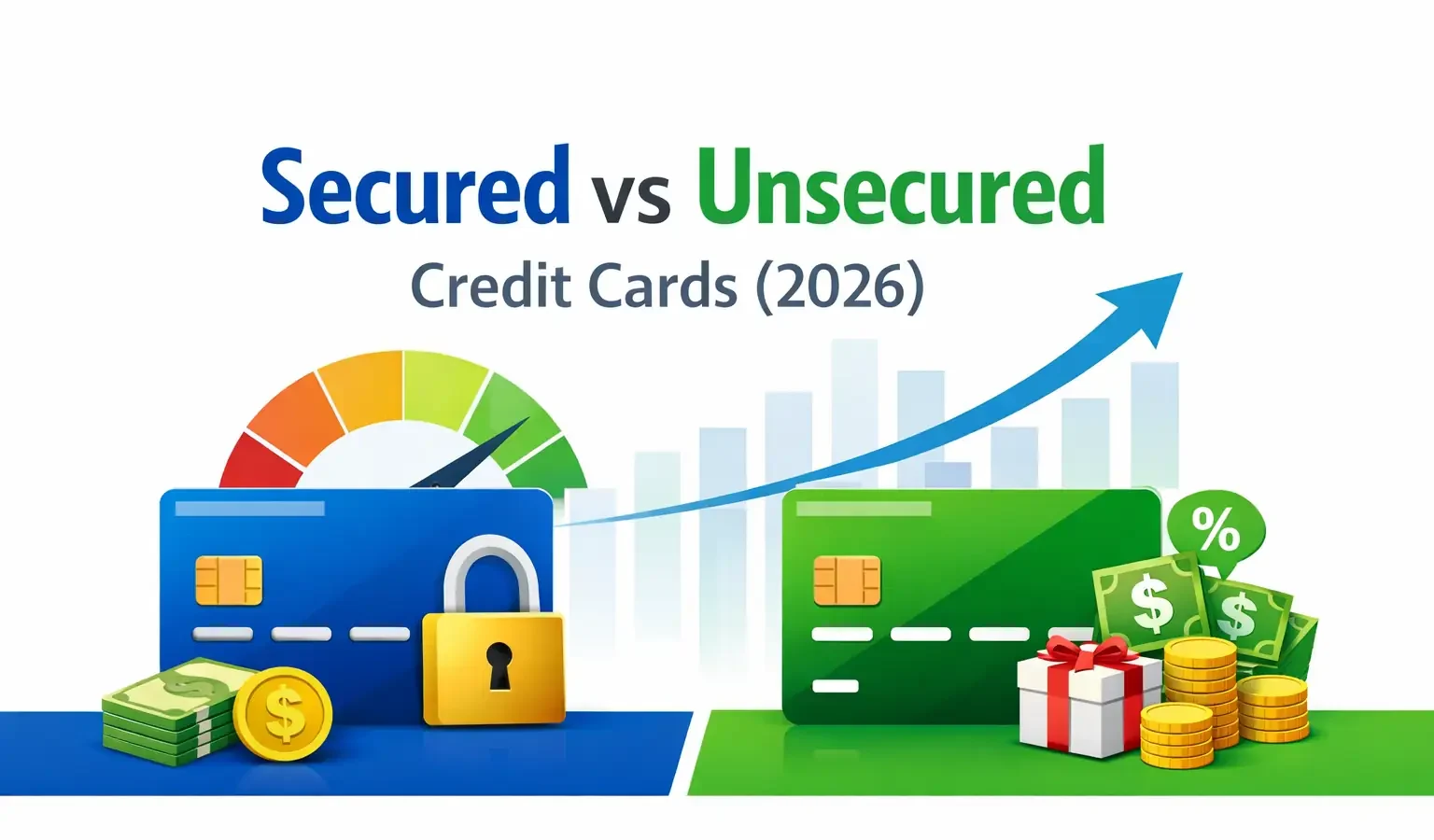
Choosing between secured vs. unsecured credit cards can be challenging, especially if you want to build credit or improve your credit history. Understanding the key differences between secured and unsecured credit cards can help you choose the right option for your financial needs and credit goals.
The main difference is that a secured credit card requires a security deposit, while an unsecured credit card generally does not. Both types can help you build credit when the issuer reports your account activity to the credit bureaus and you manage your payments responsibly.
In this guide, you’ll learn how secured and unsecured credit cards work, how they compare, and which option may be right for you.
Consumer Financial Protection Bureau – Credit Cards Guide
Table of Contents
What Is a Secured Credit Card?
What Is a Secured Credit Card (Experian Guide)
A secured credit card requires you to put down a refundable security deposit when you open the account. In most cases, this deposit acts as your credit limit—so if you deposit $300, that’s typically how much you can spend on the card.
This setup lowers the risk for the lender, which is why secured cards are much easier to get approved for in the U.S., especially if you have no credit history or a low credit score. Even though you’re using your own money as a backup, you still use the card just like a regular credit card—making purchases, paying your bill, and building your credit over time.
The best part is that your deposit isn’t lost. As long as you manage your account responsibly—like making on-time payments and keeping your balance low—you can often upgrade to an unsecured card later and get your full deposit back.
Key Features of Secured Credit Cards
- Requires upfront deposit ($200–$500)
- Easy approval for beginners
- Helps build credit history
- Lower risk of overspending
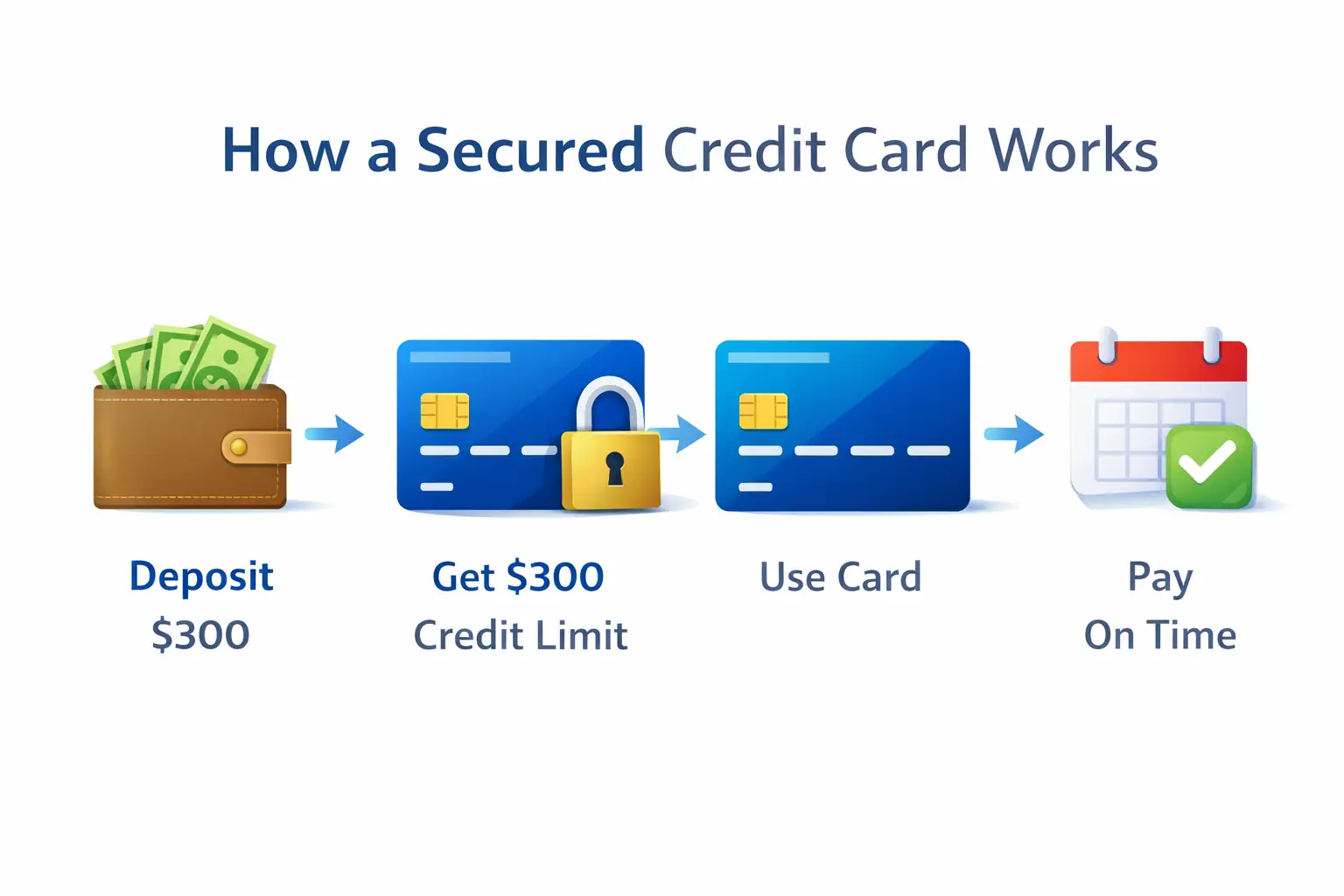
How It Works
- Deposit $300 → Credit limit = $300
- Use card for small purchases
- Pay bill on time every month
Advantages and Disadvantages of Secured Credit Cards
A secured card can be helpful, but it also has limitations.
Advantages of Secured Credit Cards
- May be easier to qualify for than some unsecured cards.
- Can help establish a credit history when activity is reported.
- The deposit may help you manage your spending within a set limit.
- Some issuers offer a path to an unsecured card.
Disadvantages of Secured Credit Cards
- Requires an upfront security deposit.
- The credit limit may be relatively low.
- Annual fees or other charges may apply.
- Your deposit may be used to cover unpaid obligations under the card agreement.
What Is an Unsecured Credit Card?
An unsecured credit card doesn’t require any upfront deposit to get started. Instead of asking for collateral, the card issuer approves you based on your creditworthiness—things like your credit score, income, payment history, and overall financial profile.
Because there’s no security deposit backing the account, lenders take on more risk. That’s why approval is usually easier if you already have a fair to good credit history. If you’re just starting out, you may still qualify for certain entry-level or student unsecured cards, but the terms—like lower credit limits or higher interest rates—can vary.
Once approved, you can use the card just like any standard credit card: make purchases, pay your bill each month, and build your credit over time. Responsible use, such as paying on time and keeping your balance low, can help you qualify for better cards with higher limits and rewards in the future.
Key Features of Unsecured Credit Cards
- No deposit required
- Higher credit limits
- Rewards and cashback
- Requires fair or good credit
How It Works
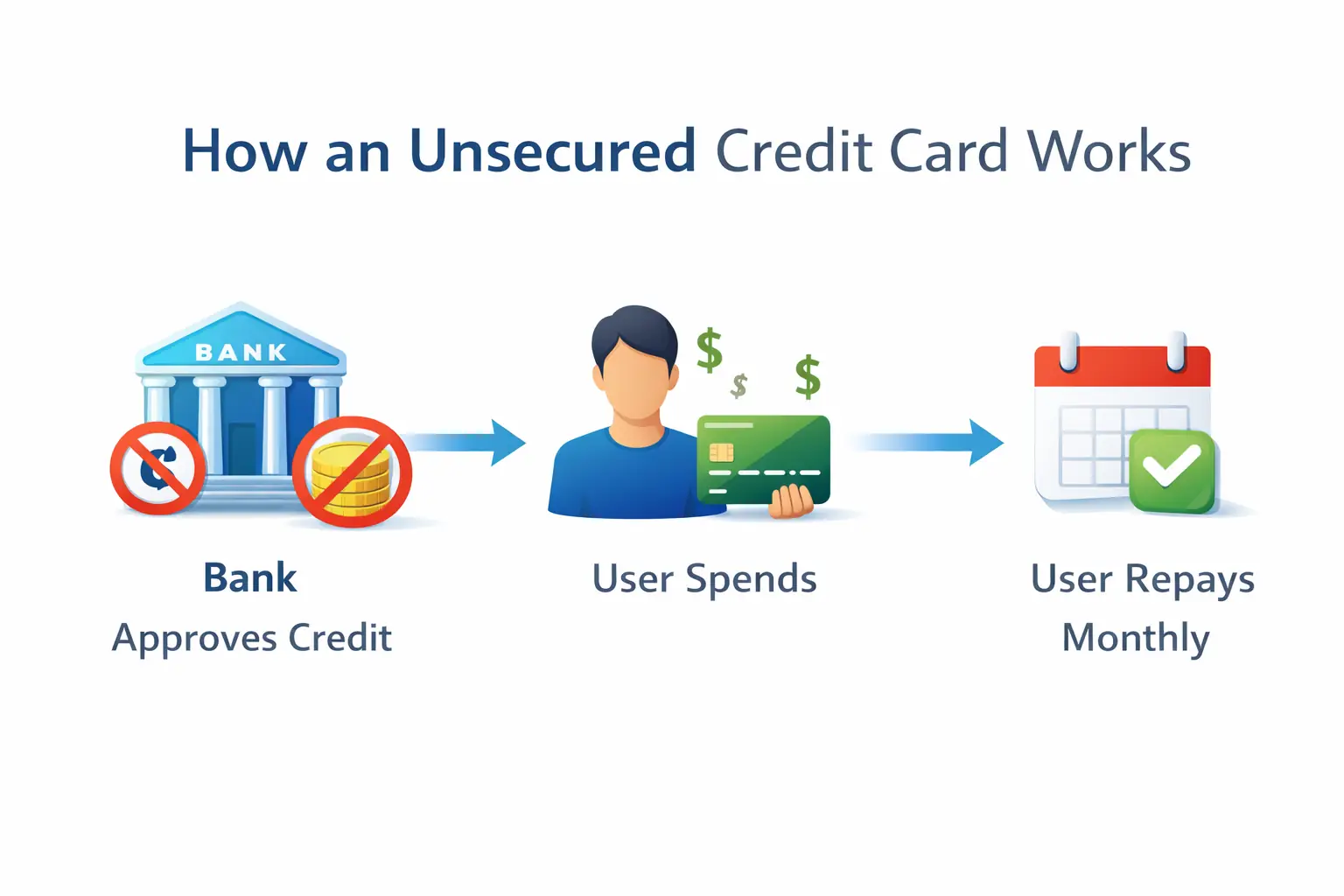
- Bank gives credit limit (e.g., $1,000)
- You spend and repay monthly
- If you don’t pay off your full balance, interest will be charged
Advantages and Disadvantages of Unsecured Credit Cards
Unsecured cards provide access to credit without requiring a security deposit, but eligibility and costs vary.
Advantages of Unsecured Credit Cards
- No security deposit is generally required.
- Some cards offer cashback, rewards, or other benefits.
- Eligible cardholders may receive higher credit limits.
- Responsible use can help build a positive credit history.
Disadvantages of Unsecured Credit Cards
- Approval may be difficult for applicants with poor or limited credit.
- Interest charges can become expensive if you carry a balance.
- Annual fees and other charges may apply.
- Spending beyond your ability to repay can lead to debt.
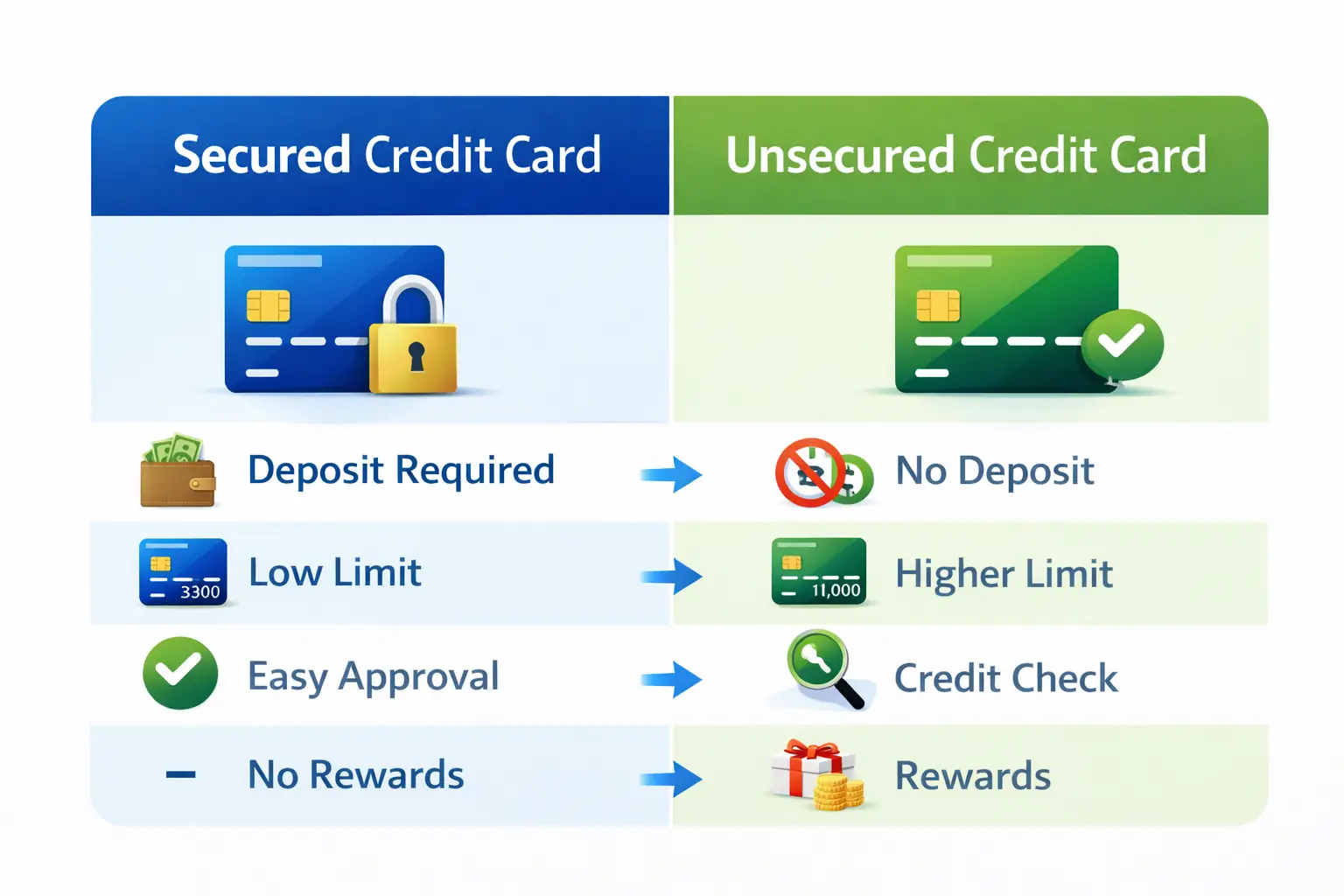
Secured vs Unsecured Credit Cards for Beginners (Comparison Table)
| Feature | Secured Credit Card | Unsecured Credit Card |
|---|---|---|
| Deposit | Required | Not Required |
| Approval | Easy | Moderate/Hard |
| Credit Limit | Based on deposit | Based on credit score |
| Rewards | Limited | Available |
| Best For | No credit/bad credit | Fair/good credit |
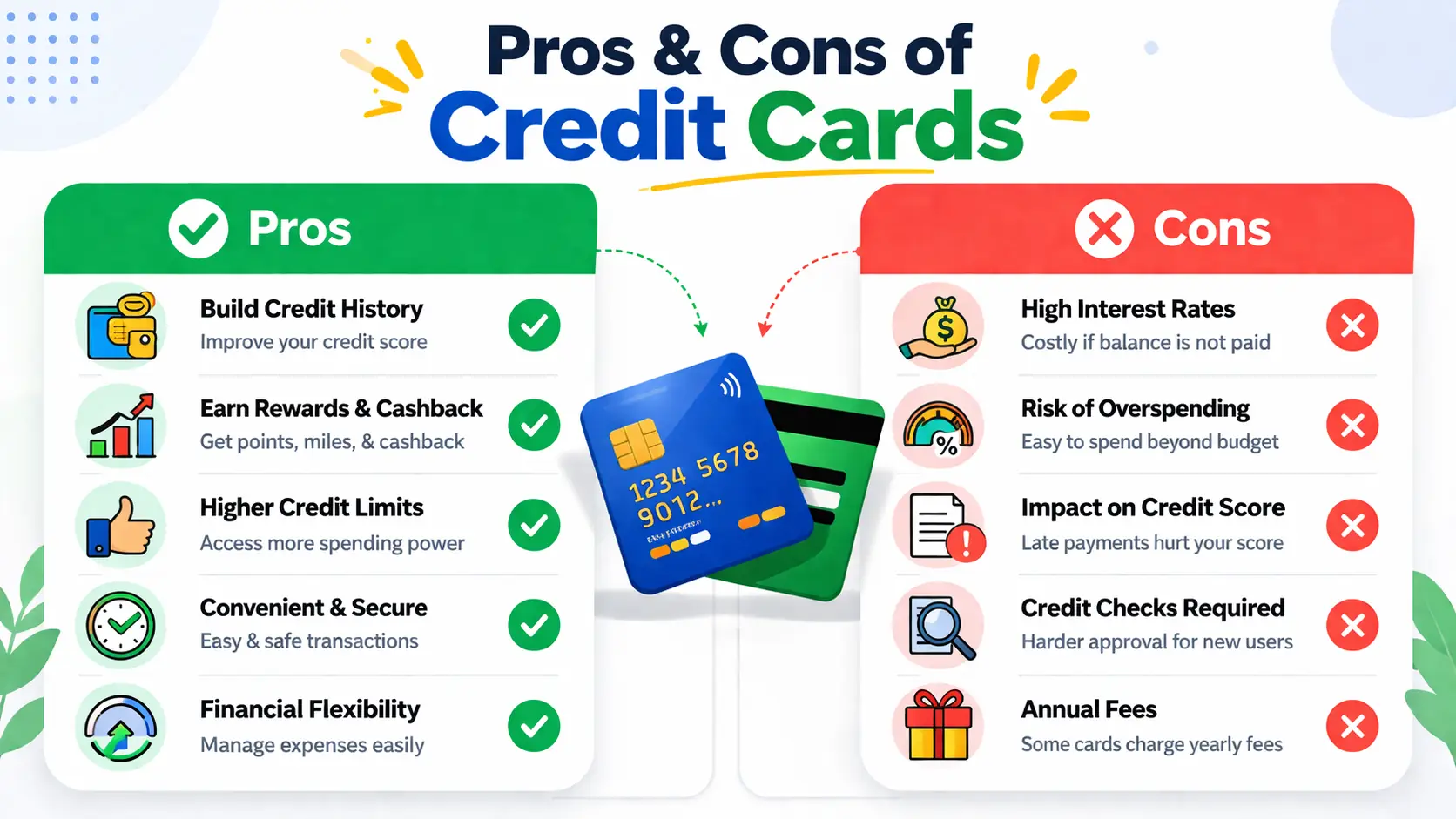
Pros and Cons of Secured Credit Cards
Pros
- Easy approval
- Great for building credit
- Lower financial risk
- Upgrade option available
Cons
- Requires deposit
- Low credit limit
- Fewer rewards
Pros and Cons of Unsecured Credit Cards Explained
Pros
- No upfront deposit
- Higher limits
- Cashback and rewards
- Builds strong credit profile
Cons
- Harder to get approved
- High interest rates
- Risk of overspending
Quick Difference List
Secured Credit Card:
- Best for beginners
- Needs deposit
- Safe option
Unsecured Credit Card:
- Best for experienced users
- No deposit
- More benefits
Example Scenario Table
| Situation | Best Choice |
|---|---|
| No credit history | Secured Card |
| Low credit score | Secured Card |
| Fair credit (650+) | Unsecured Card |
| Want rewards | Unsecured Card |
Who Should Use a Secured Credit Card?
- First-time credit users
- Students or beginners
- People with bad credit
- Those rebuilding credit
Who Should Use an Unsecured Credit Card?
- Users with fair/good credit
- People with stable income
- Those looking for rewards
- Experienced card users
Who Should Avoid Secured Credit Cards?
- If you can qualify for unsecured cards
- If you don’t want to lock money as deposit
Who Should Avoid Unsecured Credit Cards?
- Beginners with no credit
- People who overspend easily
- Those with poor credit history
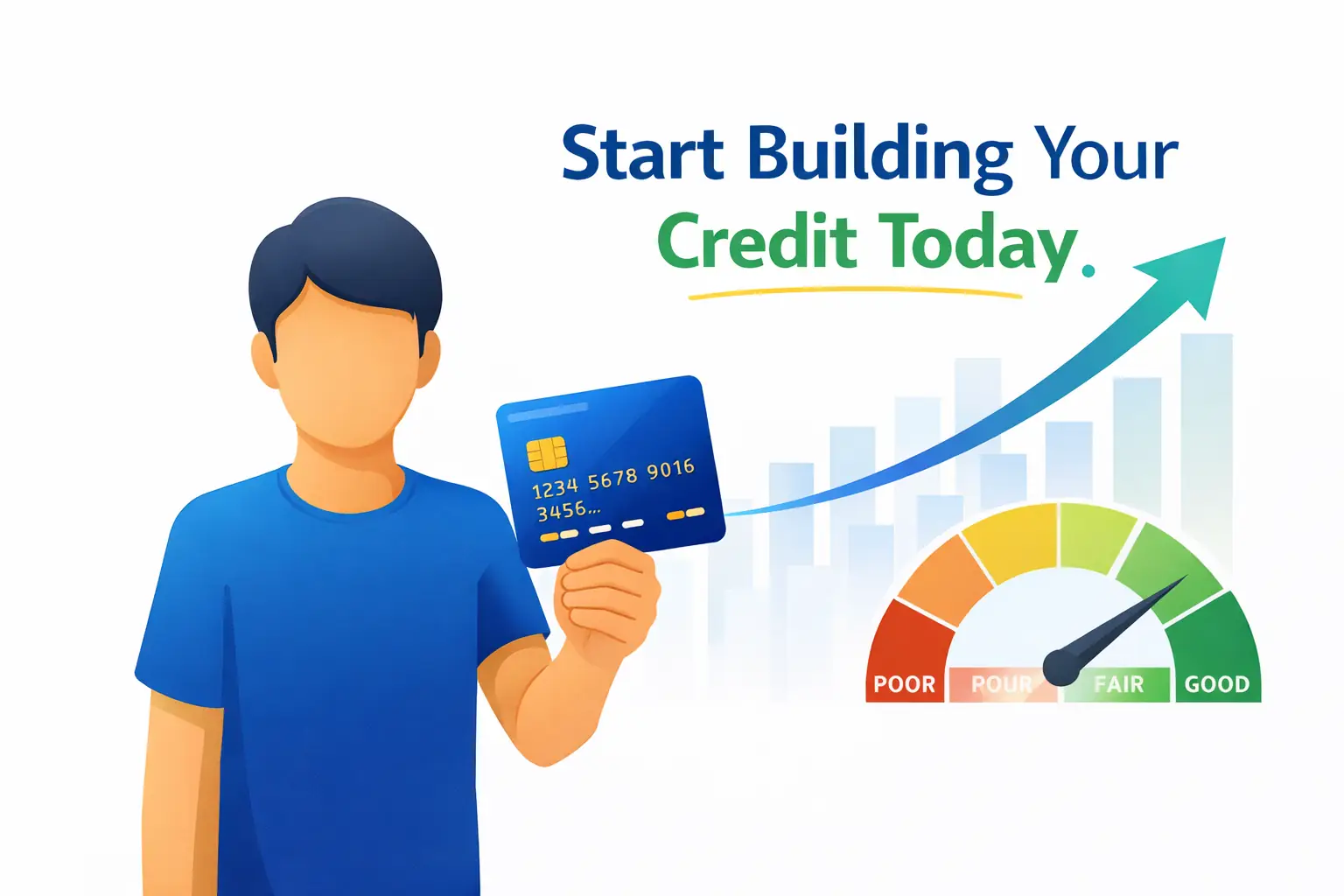
How to Build Credit Fast (Beginner Tips)
- Pay bills on time (most important)
- Pay full balance every month
- Avoid multiple applications
- Keep your card active
Frequently Asked Questions About Secured vs. Unsecured Credit Cards
What is the difference between a secured and unsecured credit card?
A secured credit card requires a security deposit, while an unsecured credit card generally does not. Both can help build credit with responsible use.
Is a secured or unsecured credit card better?
A secured card may suit people building or rebuilding credit. An unsecured card may be preferable if you qualify for suitable terms without a deposit.
Can you get an unsecured credit card with bad credit?
Yes, some issuers offer unsecured cards to applicants with poor credit, but approval is not guaranteed and fees may be higher.
Do secured credit cards build credit?
Yes, they can help build credit when the issuer reports account activity and you manage the account responsibly.
Does a secured credit card require a deposit?
Yes. A secured card generally requires a security deposit, which often helps determine the credit limit.
Can you upgrade a secured credit card to an unsecured card?
Some issuers allow upgrades after responsible use. Eligibility and deposit refunds depend on the issuer’s policies.
Can you get a secured credit card with no credit history?
Yes, some issuers accept applicants with no established credit history. You must still meet the issuer’s application requirements.
Do unsecured credit cards have higher limits than secured cards?
They can, but not always. Credit limits depend on the issuer, your financial profile, and the specific card.
Conclusion
Choosing between secured and unsecured credit cards ultimately comes down to your current credit situation and financial starting point. The right choice isn’t about which card is “better”—it’s about which one fits your needs today and helps you move forward with confidence.
- No credit or starting fresh? A secured credit card is usually the best place to begin. It’s easier to get approved, helps you build a positive payment history, and gives you a reliable path toward qualifying for better credit options in the future.
- Already have some credit history? An unsecured credit card may be a better fit. It doesn’t require a deposit and can offer more flexibility, along with opportunities to access higher limits and rewards as you continue to build your profile.
No matter which route you choose, the real impact comes from how you use your card. Consistently paying your bills on time, keeping your balances low, and managing your credit responsibly are the habits that truly make a difference.
Make a smart, informed decision based on where you stand today, stay disciplined with your usage, and you’ll be well on your way to building a stronger credit score throughout 2026 and beyond.